read also
Trip to Japan 2025: Itineraries and Useful Info
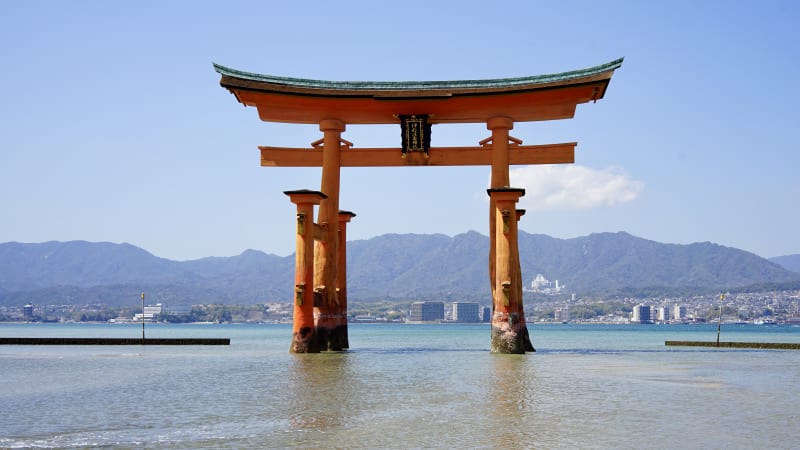

If you’re planning a trip to Tokyo, one of the most important things to think about is how to get around the Japanese capital. The Tokyo subway is efficient, clean and extensive, but it can also become expensive if you don’t choose the right option. In this guide we’ll explain how to save money with the Tokyo Metro Pass and help you understand the differences between the city’s various transport systems.
Table of contents
- The Tokyo Subway: A complex but efficient system
- How to pay for the Tokyo Subway: Available options
- Why the Tokyo Metro Pass is cheaper
- Warning: Limited coverage of the Tokyo Metro Pass
- The JR Pass does NOT include the Tokyo Subway
- Which option to choose: Practical guide
- Practical tips for using the Tokyo Subway
- Main destinations reachable with Tokyo Metro/Toei
- Frequently Asked Questions
- Conclusion: The Tokyo Metro Pass really is worth it
Tokyo boasts one of the most extensive and heavily used subway systems in the world, with over 13 lines and hundreds of stations connecting every corner of the city. Tokyo’s subway is mainly run by two operators:
Both systems are efficient, punctual and clean, with trains running every 2-5 minutes during rush hour. Stations are well signposted in English and Japanese, making navigation relatively simple even for foreign tourists.
Fun fact: Tokyo’s subway carries over 8 million passengers a day, making it one of the busiest subway networks in the world. During rush hour, it’s common to see station staff (oshiya) literally pushing passengers into the carriages!
When it comes to paying for transport in Tokyo, you have several options:
Single tickets are bought from the ticket machines found in every station. The cost varies depending on the distance travelled:
Suica (JR East) and Pasmo (private operators) cards are rechargeable contactless cards that work on all of Tokyo’s transport, including JR trains, subway, buses and even some shops.
The Tokyo Metro Pass is a tourist pass offering unlimited access to Tokyo Metro and Toei lines for 24, 48 or 72 consecutive hours.
Prices:
Where to buy it:
Let’s do a concrete comparison to understand the actual savings:
Example of a typical day in Tokyo:
Total with single tickets or Suica/Pasmo: ¥1,140
Total with 24h Tokyo Metro Pass: ¥800
Savings: ¥340 (around €2.20) per day
If you consider that you’ll make at least 5-6 trips a day during your visit to Tokyo, the savings become significant:
Our tip: If you think you’ll make more than 3-4 subway trips a day, the Tokyo Metro Pass pays for itself and lets you explore Tokyo without worrying about the cost of each single trip.
Before buying the Tokyo Metro Pass, it’s essential to understand one important thing: the pass covers ONLY Tokyo Metro and Toei Subway lines.
✅ 9 Tokyo Metro lines ✅ 4 Toei Subway lines ✅ Unlimited travel for the duration of the pass
❌ JR lines (including the popular Yamanote Line) ❌ Private railways (Keio, Odakyu, Tokyu, etc.) ❌ Shinkansen (bullet trains) ❌ Buses (except some Toei Bus lines)
Practical implications:
If you need to reach destinations only served by JR or private lines, you’ll need to buy separate tickets. For example:

One of the most common mistakes among tourists is thinking that the JR Pass also covers Tokyo’s subway. Let’s clear up this myth right away.
The Japan Rail Pass is a rail pass that allows unlimited travel on the JR (Japan Railways) network throughout Japan.
What the JR Pass includes: ✅ All JR trains in Japan (including most Shinkansen) ✅ JR Yamanote Line in Tokyo (the main loop line) ✅ Other local JR trains in Tokyo ✅ Some JR buses and ferries
What the JR Pass does NOT include: ❌ Tokyo Metro (9 lines) ❌ Toei Subway (4 lines) ❌ Private railway lines ❌ Most city buses
Many tourists think the JR Pass covers Tokyo’s entire transport network because:
The reality: Tokyo Metro and Toei are operators completely separate from JR. Even if you hold a valid JR Pass, you’ll still have to pay separately to use the subway lines.
Combined strategy: If you have the JR Pass for travelling between Japanese cities, consider also buying the Tokyo Metro Pass for the days when you’re focused on visiting Tokyo. This way you optimise costs and freedom of movement.
Here’s a quick guide to help you choose the best option depending on your type of trip:
The optimal strategy for most tourists is:
During these times trains are extremely crowded. If possible, plan your sightseeing at different times.
Every station has a code (e.g. G-01 for Shibuya on the Ginza Line). Memorising these codes makes it easier to find your way around the maps.
Large stations like Shinjuku have over 200 exits! Always check which exit is closest to your destination before leaving the station.
Most subway lines stop running around midnight/1am. Plan your return to the hotel accordingly, or be prepared to take a taxi (expensive!).
The Tokyo Metro Pass lets you conveniently reach Tokyo’s main tourist attractions:
With Tokyo Metro:
With Toei Subway:
Please note: Some popular destinations like Shibuya, Harajuku and Tokyo Station are better served by JR lines. For these, consider using the Tokyo Metro Pass combined with Suica for maximum flexibility.
Q: Can I share the Tokyo Metro Pass with other people? A: No, the pass is strictly personal and non-transferable.
Q: Are the 24/48/72 hours consecutive, or can I use them on different days? A: They’re consecutive hours from the moment of first use. For example, if you activate the pass at 2pm on Monday, it will expire at 2pm the following day (for the 24h pass).
Q: Do children need a pass? A: Children under 6 travel for free. Ages 6 to 11 get a reduced fare (¥400/600/750).
Q: Can I use the Tokyo Metro Pass to reach the airports? A: It depends. Haneda Airport is reachable via the Toei Asakusa Line (included). Narita Airport requires private railways or JR (not included).
Q: What happens if I mistakenly take a line not covered by the pass? A: You’ll have to pay the difference at the arrival station. Always check that the line is Tokyo Metro or Toei before boarding.
After this in-depth analysis, the answer is clear: yes, the Tokyo Metro Pass is worth it for most tourists visiting Tokyo.
Recap of the main advantages:
Important things to watch out for:
Our own experience has taught us that combining the Tokyo Metro Pass with Suica is the winning strategy for exploring Tokyo while saving money and stress-free. You’ll be able to jump from a historic temple to a futuristic district without worrying about the cost of each trip.
Our final tip: Buy the Tokyo Metro Pass for your days of intensive sightseeing in Tokyo (usually the first 2-3 days) and keep a Suica/Pasmo with a minimal top-up for exceptions and trips on JR lines. You’ll save money and gain freedom of movement!
Now that you know all about Tokyo’s subway, you’re ready to explore the Japanese capital like a true local! Safe travels and… enjoy the rides! 🚇🇯🇵








📝 Click to load Disqus comments
Comments will load dynamically