
read also
Trip to Japan 2025: Itineraries and Useful Info
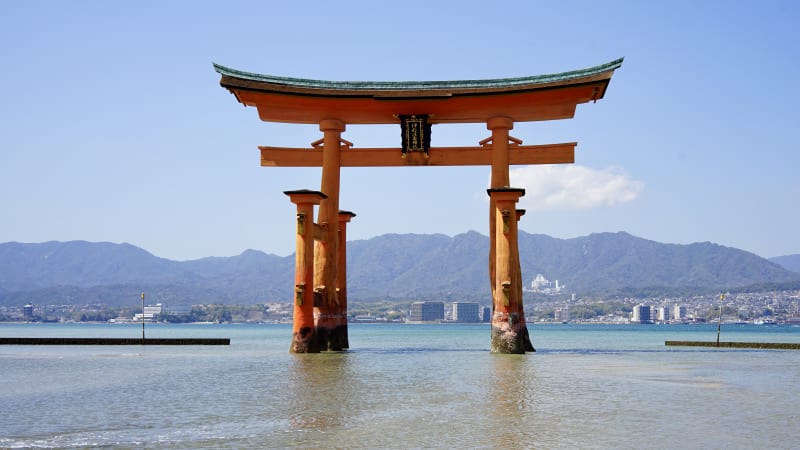

Dreaming of visiting Japan for an extended period? Whether you want to explore its ancient cities, work remotely among temples and skyscrapers, or experience a work-holiday, there are several visa options that let Italian citizens stay in the Land of the Rising Sun well beyond the standard 90 days. In this complete guide, we’ll explain all the available alternatives, with requirements, advantages and limitations of each.
Table of contents
Italian citizens benefit from a visa-exemption agreement with Japan that allows tourist stays of up to 90 days without needing to apply for any visa in advance. This applies to trips for tourism, visiting relatives or acquaintances, or unpaid professional reasons (conferences, business meetings, etc.).
It’s important to know that there’s an overall limit: you can stay in Japan for a maximum of 180 days in a calendar year (i.e. 90+90 days). After the first 90-day period, you’ll need to leave the country and can return for another 90 days, always within the annual limit.
Many travellers resort to the so-called “visa run” to extend their stay. This practice involves temporarily leaving Japan (for example visiting South Korea, Taiwan or Hong Kong for a few days) and then returning to get a new 90-day stamp.
Warning: While technically possible, this practice is tolerated only if used occasionally. Repeated visa runs over short periods can raise suspicion with immigration officials, who may deny entry or reduce the days granted. Use this strategy sparingly and only if you have a valid reason for an extended stay.
PROS
- No bureaucracy or costs
- Immediate entry on arrival
- Total flexibility
CONS
- Limited to 90 days per entry
- You can't work or carry out paid activities
- The visa run isn't a reliable long-term solution
A few years ago Japan introduced the digital nomad visa, designed for professionals and remote workers who want to live in the country while working for foreign employers or clients.
To get this visa you must meet the following criteria:
The digital nomad visa lasts 6 months and is currently not renewable. At the end, you’ll have to leave the country for at least 6 months before you can apply for this visa category again.
The application must be submitted at:
Many Italians already in Asia, for example in South Korea or Thailand, can apply at the local Japanese representative offices by presenting documents proving legal residence in that country.
You’ll need to provide complete documentation proving your income, the nature of your remote work and your health insurance.
PROS
- Possibility of living in Japan for 6 continuous months
- Freedom to explore the country while working
- Legal status for long-term rentals
CONS
- High income requirement
- Not directly renewable
- Bureaucratic costs and waiting times for approval
Big news for young Italians: since September 2025 the bilateral working holiday agreement between Italy and Japan has been ratified. This visa is a unique opportunity to experience authentic culture while working in the country.
To apply for the Working Holiday Visa you must:
The application must be submitted at:
Many Italians already in Asia, for example in South Korea or Thailand, can apply at the local Japanese representative offices by presenting documents proving legal residence in that country.
For up-to-date information and details on the necessary documents, check the Italian Ministry of Labour website.
PROS
- Generous 12-month duration
- Ability to work legally
- Deep cultural experience with flexibility between work and travel
CONS
- Available only once in a lifetime and not renewable or convertible into other visas
- Age limit (18-30) with limited annual spots
- Requires initial funds
The Designated Activities visa is a special category covering various types of stays not included in the other categories. It includes paid internships, specific cultural activities, extended tourism and special programmes.
Some of the activities covered by this visa include:
Duration varies from 3 months to 1 year depending on the type of activity and the agreement with the sponsor in Japan. In some cases it can be renewed.
Special note for tourist Long Stay: This visa has an initial duration of 6 months, extendable up to 1 year total by applying for an extension at the regional immigration office before the first 6 months expire.
Requirements vary significantly depending on the specific type of activity.
For tourist Long Stay (wealthy individuals):
For other categories (internships, research, etc.):
For tourist Long Stay:
Warning: A residential address in Japan is required (hotel, Airbnb or private housing). Within 14 days of entering the country, you must go to the local Ward Office to register your residence and get the residence certificate (Juminhyo).
For other categories:
PROS
- Longer duration than the tourist visa
- Ability to work (for paid internships)
- Can be renewed in some cases
CONS
- Complex bureaucratic procedures and long waiting times (2-3 months for the COE)
- Strict requirements: You need a sponsor in Japan or need to prove substantial financial means
- Limited to specific pre-approved activities
If you’re already in Japan with a valid visa and want to extend your stay, you’ll need to apply for renewal at the immigration office for the area where you live. It’s important to know that not all visas are renewable: for example, the digital nomad visa and the working holiday visa cannot be renewed, while the Designated Activities visa can be, under certain circumstances.
To apply for a visa renewal you’ll need to:
Payment of the renewal fee is made by buying a revenue stamp, purchased directly at the immigration office. This stamp is applied to your passport once the renewal is approved.
The standard 90-day tourist visa (visa exemption) is technically renewable for another 90 days, but Italy is excluded from this possibility under official regulations. This extension is reserved only for certain specific nationalities.
However, there are some special situations:
Important: Attempting to get a renewal you’re not entitled to could create problems with immigration. Proceed with caution and only in case of real need.
If you have a Designated Activities - Long Stay visa (extended tourism), to apply for the extension from 6 months to 1 year you’ll need to submit:
The choice of visa depends on your goals and situation:
Some travellers plan strategically: they start with 90 tourist days, leave for a short visa run, come back for another 90 days, and then in the following months apply for a working holiday or digital nomad visa. This strategy requires careful planning and compliance with regulations.
Regardless of the visa, always carry with you:
For up-to-date information, check:
Japan now offers more opportunities than ever for Italian citizens who want to extend their stay. From the classic tourist visa to the new working holiday, through the digital nomad visa, the options are varied and suited to different profiles.
The key is to plan ahead, carefully prepare your documentation and choose the option best suited to your needs. With the right preparation, your dream of living in Japan for months can become reality.
Sayonara and safe travels! 🇯🇵✈️











📝 Click to load Disqus comments
Comments will load dynamically