
read also
Japan in 12 Days: Osaka-Kyoto-Kumano Kodo Between Temples and Spirituality
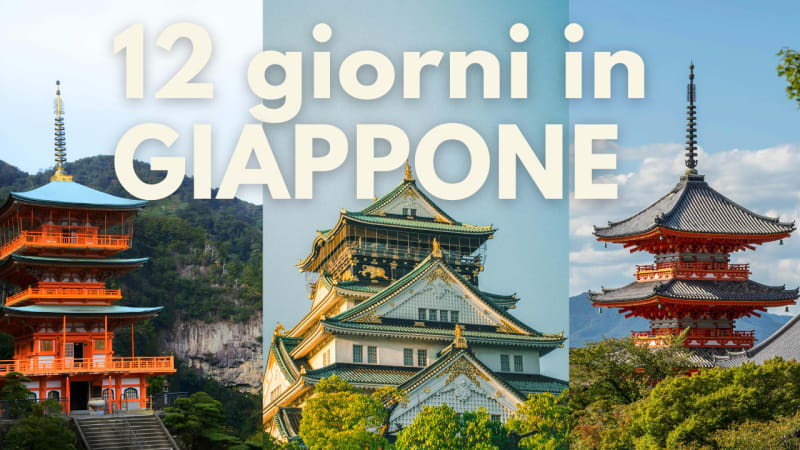

If you’re looking for a destination that offers a unique travel experience, Japan is the right place for you. With a thousand-year-old culture, delicious food and a perfect harmony between past and future, this Asian country has a lot to offer travellers of every kind. In this article we’ll explore the reasons why you should visit Japan, and suggest a few unmissable itineraries for your trip, born after several visits to the country.
Table of contents
Japan is one of the most fascinating and influential nations in the world. Its history is rich in traditions, with rites and ceremonies dating back centuries. The country also offers many modern attractions, such as Tokyo’s skyscrapers, advanced technology, theme parks and much more.
Japan’s nature is equally spectacular, with imposing mountains, cherry blossoms in spring and white sand beaches overlooking the Pacific.
The official language is Japanese, and it’s hard to find anyone who speaks English. To get around this, we recommend downloading an offline translator on your phone; in our case we chose Google Translate ( iOS , Android ).
Japan has a varied climate depending on the season and region. In general, the best season to visit the country is spring (March-May) when the cherry blossoms put on a breathtaking show, followed by autumn (September-November) thanks to the beautiful autumn colours.
Summer (June-August) can be hot and humid, especially in coastal regions, while winter (December-February) is cold, but ideal for anyone who wants to do winter sports like skiing. It’s also worth paying attention when planning your trip to a few seasonal events, such as Golden Week, during which many businesses may be closed for the national holiday.
Japan’s official currency is the yen (¥, pronounced “en”).
ATMs are easily available throughout the country and can be used to withdraw cash. You’ll find them especially at konbini, the typical stores open 24/7 scattered everywhere across the country.
Quando ci troviamo in un paese straniero, soprattutto dove non accettano l'euro, ci affidiamo a questa carta gratuita, che ti permette di pagare senza alcun tasso o addebito.
Japan is a modern country, but when it comes to credit cards it’s quite behind. They’re accepted at hotels and shops in big cities, but at restaurants bring cash! You can spend any leftover coins in the countless vending machines found everywhere!
The best solution for getting internet access is to buy a data SIM. We recommend this one with unlimited internet for the whole duration of your stay. In the case of an eSIM it’s active straight away; alternatively you can request a classic SIM or a router, which you can pick up at the airport or have delivered straight to your home.
If you’re travelling with 2 or more people, we recommend getting the Pocket Wifi option.

When we travel we insure ourselves with Heymondo, which offers great benefits and a monthly subscription that can be cancelled at any time.
For more information, check out the Viaggiare Sicuri website (Italian government travel safety site).
Japan has an excellent public transport network. You can get around the whole country using buses, trains and trams. On the other hand, these are quite expensive, so we recommend buying some passes:
In this section we suggest two itineraries you can follow using public transport, based on two trips we actually took ourselves (April 2017 and late March-early April 2019). In a final section you’ll find the places that, in our opinion, are most worth seeing!
The classic itinerary. It lets you experience Japan in 8 days and see the main attractions, from futuristic Tokyo to the ancient capital of Kyoto, passing through Kamakura and Nara. Departure from Narita Airport and return from Osaka International Airport.
Day 1 arrival at Narita Airport and transfer to Tokyo by train. Visit Ueno park and move in the evening to the Akihabara district.
Day 2 morning visit to Meiji Jingu shrine, continuing to Harajuku, the district of fashion and youth culture. In the afternoon visit the famous Shibuya district, home to the Hachiko statue and the famous street crossing, one of the most photographed on social media.
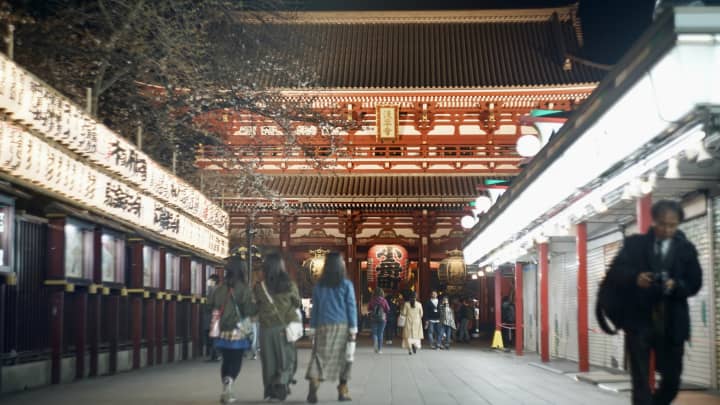
Day 3 visit the Asakusa district and the famous Sensoji Temple. In the afternoon move to the artificial island of Odaiba, then admire the Tokyo Tower in the evening.
Day 4 wake up early to catch the train towards Kamakura (about 1 hour). Return in the early afternoon with a visit to the government district of Shinjuku to admire Tokyo from above for free from the Metropolitan Government Building. In the evening, a stroll through Golden Gai.
Day 5 wake up early to catch the shinkansen towards Kyoto, the ancient capital (2 hours 40 minutes). Visit Nijo Castle, passing through Nishiki Market, then walk through Maruyama Park and finish with a visit to Yasaka Shrine. In the afternoon head to Kiyomizudera Temple, then take a dive into the past walking along the two lanes Ninenzaka and Sannenzaka. In the evening visit the Pontocho district and surroundings.
Day 6 visit the Golden Pavilion (Kinkakuji) and the rock garden at Ryōan-ji Temple. Move to the Arashiyama district to see the bamboo forest and Tenryū-ji Temple. Finish with a visit to Saga Toriimoto, a lovely lane lined with wooden houses.
Day 7 wake up early to walk around Fushimi Inari. In the afternoon move to Nara and visit Todai-ji Temple (watch out for hungry deer!).
Day 8 morning dedicated to the Philosopher's Path and its many shrines. In the early afternoon, transfer to Osaka by shinkansen (14 minutes from Kyoto) to visit its iconic (though now a replica) Castle and the Minami district. In the evening, transfer to Osaka International Airport.
The Vandipety itinerary lets you fully immerse yourself in Japanese culture, starting from futuristic Tokyo all the way to culturally rich destinations through the Japanese Alps. For budget reasons we departed from Narita Airport and returned from Tokyo International Airport. If available, we recommend returning from Osaka International Airport so you can also visit that city.
Day 1 arrival at Narita Airport and transfer to the hotel by train. Visit Ueno park and move in the evening to the Akihabara district.
Day 2 morning visit to Meiji Jingu shrine, continuing to Harajuku, the district of fashion and youth culture. In the afternoon visit the famous Shibuya district, home to the Hachiko statue and the famous street crossing, one of the most photographed on social media.
Day 3 visit the Asakusa district and the famous Sensoji Temple. In the afternoon move to the artificial island of Odaiba, then admire the Tokyo Tower in the evening.
Day 4 wake up early to catch the train towards Kamakura (about 1 hour). Return in the early afternoon with a visit to the government district of Shinjuku to see Tokyo from above for free from the Metropolitan Government Building. In the evening, a stroll through Golden Gai.
Day 5 head to Kanazawa, reachable by Shinkansen (the bullet train) in 3 hours. Visit Kenrokuen park, the castle, the geisha district and Omicho market.
Day 6 visit the surreal, timeless village of Shirakawa-Go. In the afternoon, transfer to Takayama.
Day 7 visit Takayama starting from Shiroyama park, passing through Jinya market and ending in the historic Sanmachi Suji district, also known as “little Kyoto”. In the late afternoon, transfer by train to Kyoto (about 3 hours).
Day 8 visit the ancient capital starting in the morning at Nijo Castle, passing through Nishiki Market, then walk through Maruyama Park and finish with a visit to Yasaka Shrine. In the afternoon head to the Philosopher's Path by bus (30 minutes) and visit its many shrines.
Day 9 visit Kiyomizudera Temple, then take a dive into the past walking along the two lanes Ninenzaka and Sannenzaka. In the afternoon visit the Pontocho district and surroundings.
Day 10 visit the Golden Pavilion (Kinkakuji) and the rock garden at Ryōan-ji Temple. Move to the Arashiyama district to see the bamboo forest and Tenryū-ji Temple. Finish with a visit to Saga Toriimoto, a lane lined with wooden houses.
Day 11 wake up early to walk around Fushimi Inari. In the afternoon move to Nara and visit Todai-ji Temple (watch out for the many hungry deer).
Day 12 head to Hiroshima by Shinkansen in 2 hours. A day dedicated to visiting the beautiful Shukkeien park, the peace memorial and the city. In the afternoon visit the island of Miyajima and its striking Torii gate in the water, reachable by train (30 minutes) and then ferry (15 minutes).
Day 13 wake up early to see the Torii gate immersed in water and visit the island, paying particular attention to Daisho-in temple and Mount Misen (reachable with a 2-hour walk or by ropeway). In the late afternoon, return to Tokyo (about 5 hours by train).
Day 14 last day dedicated to seeing Ueno park and Yanaka Ginza again, then heading towards the elderly-friendly district of Sugamo and Rikugien Garden. If instead your trip involves departing from Osaka, you can dedicate the last day to this city.




📝 Click to load Disqus comments
Comments will load dynamically