
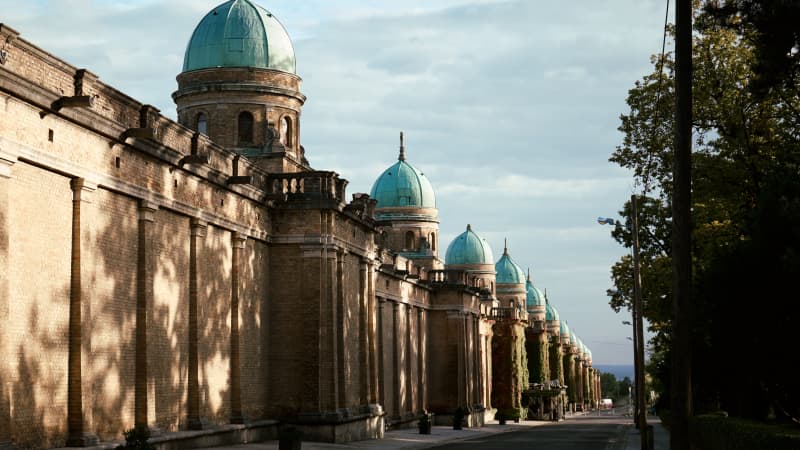
Croatia by Campervan: A Decidedly Alternative Itinerary
Having left Slovenia behind, we decided to explore, on the road, a part of Croatia often overlooked by tourism, far from the splendid seaside resorts and postcard images of crystal-clear sea.
Croatia’s inland landscape is characterised by vast plains growing wheat, corn and sugar beet, stretching between hills and areas of karst rock.
5 stops through an unknown Croatia
Our 5-stop itinerary, in which we also share the places where we stayed overnight, allowed us to visit not only the capital, Zagreb (by the way, check out our one-day tour of the city here), but also old villages, forests, castles and ethnographic and birdwatching reserves, all the way to the border with Bosnia and Herzegovina.
Samobor
Samobor, about an hour from the capital, is a small village of pastel-coloured houses crossed by a stream and surrounded by woods offering plenty of hikes. Famous is the Samobor Carnival, which harks back to old literary and musical traditions. The scene is dominated from above by the ruins of the castle, while in the village it’s not uncommon to find stalls selling local products like honey, biscuits and wine. We stayed overnight for free at the bus station , in a large car park with bins and free wifi ( find out more about WiFi4EU ).
Zagreb
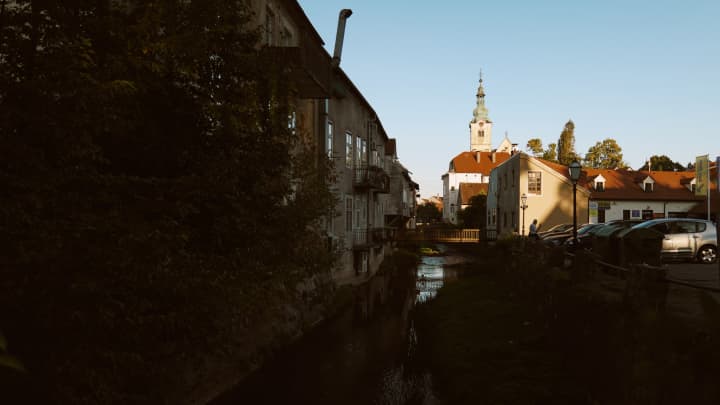
Zagreb, a city with all the charm of old Europe, is at the same time rich in museums and contemporary art galleries that make it a modern destination too. We visited it while the marathon was taking place, in a decidedly youthful and festive atmosphere. Is one day enough? If you don’t have big plans to visit the museums too, yes. We parked for free on a Sunday, 30 minutes’ walk from the city centre ( here ), and stayed overnight, again for free, near the zoo .
Čigoč
The village of Čigoč is “famous” for the many stork nests found on the wooden houses typical of the village: the best time to visit is July/August. Čigoč sits in the middle of Lonjsko Polje Nature Park, a marshy expanse in the Posavina region, home to storks and many other birds as well as horses, piglets, cows and wild boar. In Čigoč you can walk a free 5-km nature trail, or take on proper paid trails (for a negligible fee of around 3 euros). The atmosphere in October was slightly eerie, so much so that it felt like crossing a ghost town populated only by chickens and stray dogs. Free overnight stays aren’t allowed, but if you want there’s a campsite in the village centre costing 30 euros a night. We carried on to the next village.
Krapje
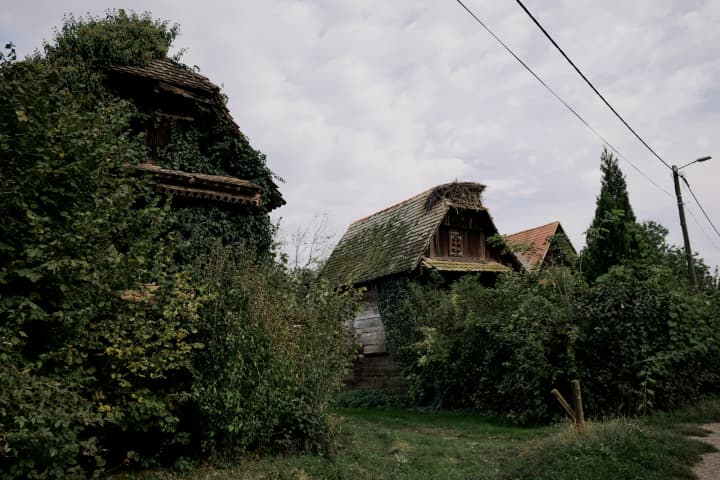
The nearby village of Krapje is a decidedly more picturesque destination, with a single main street lined with traditional wooden houses. Here you’ll find an information centre with a handy car park where we stayed overnight for free, offering public toilets, picnic tables and wifi (WIFI4EU). Nearby, a paid trail leads into the forest, where you’re not allowed to continue further given the high number of wild animals.
Jasenovac
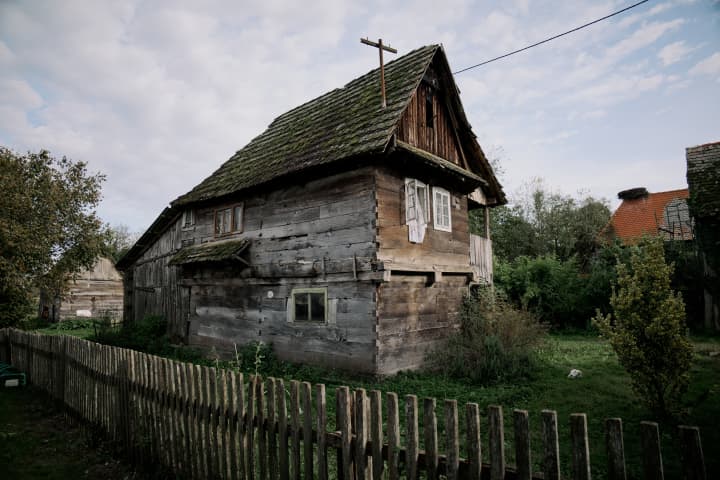
In the village of Jasenovac we wanted to pay a commemorative visit to the concentration camp used from 1941 to 1945 during World War II, the site of the extermination of Serbs, Jews, Roma and political opponents, and sadly of many children. Nothing remains on site today except an old rail track, a train, a memorial and the Memorial Museum.
From here you can cross the border into Bosnia and Herzegovina. We had to continue on to the town of Slavonski Brod to pick up the SIM card that gives us unlimited internet worldwide (discount code: vandipety), and we crossed the border here to reach Banja Luka and continue our adventures heading east.
If you'd like to thank us, you can offer a 🍪 for our furry friends at the following link:
PayPal - Satispay

Scan the code and thank you! 🐱🙏






100,000 km by campervan

Andorra by Campervan: A Weekend Discovering Breathtaking Views

Porto in One Day: Complete Itinerary and What to See

Trip to Japan 2025: Itineraries and Useful Info

Here’s How to Enter Japan with a Vehicle Without a Carnet de Passages

Safe travels across the bridge, little big Olimpia

Flying with a dog and cat in the cargo hold: our experience (and everything we wish we’d known beforehand)

An alternative wedding: 30 days to plan it from a van

📝 Click to load Disqus comments
Comments will load dynamically